

Roots of Empathy offers a preventative (“upstream”) approach to nurturing healthy masculinity and emotional wellbeing in boys through the development of empathy and emotional literacy.
Empathy helps boys build stronger, healthier relationships. Like kindness and other essential human qualities, empathy is not simply ‘taught’—it is ‘caught‘ through lived experience. That is why, at Roots of Empathy, we take learning beyond the screen to experiential learning around the Green Blanket in the classroom with a baby, a parent, and guided by a caring adult role model. We are especially prioritizing volunteer fathers and male Instructors to help boys see positive models of caring, empathy, and healthy relationships. (Want to Volunteer?)
Roots of Empathy helps boys to create healthy relationships and habits, challenging traditional norms. Male role models, Instructors, fathers, mentors, caregivers and community leaders play a critically important role in shaping healthier norms. Boys benefit from seeing men who demonstrate emotional presence, empathy, care, responsiveness and relational strength. Positive masculinity should not be defined by dominance or emotional suppression, but by the capacity to build healthy relationships, regulate emotions, contribute to community wellbeing and care for others.
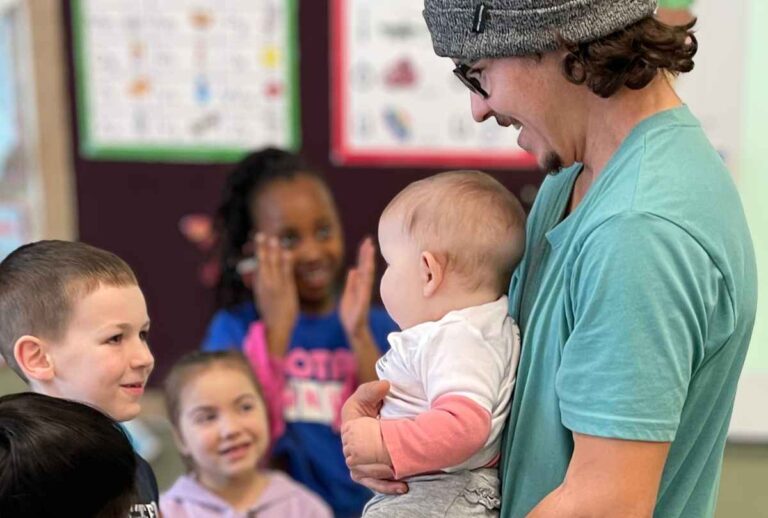
Male Role Models
Roots of Empathy places intentional focus on the normalization of emotional literacy for boys, helping boys build comfort and fluency in expressing feelings and vulnerability over time. The recruitment of fathers as volunteer parents visibly demonstrates responsive, nurturing and caring masculinity; the engagement of male Instructors as empathic role models embodies emotional presence and healthy relational leadership.
A Living Model of Empathy - a Parent and an Infant
A father visits the classroom once a month while the ROE Instructor, who is often another male role model, coaches students to observe the baby’s body language, vocalizations, and facial expressions as clues to how the baby might be feeling. Over 9-months, boys connect with the vulnerability of a baby and learn that they were all once just as vulnerable. Students discover that babies, fathers, classroom teachers and their classmates all share the same range of emotions.
From this experiential learning, children learn the names of the baby’s feelings in real time, and the Instructor bridges those feelings to the children’s feelings. This discussion continues in the classes before and after the Family Visit, giving children opportunities to discuss their own feelings and hear how their classmates feel.
These reflective conversations give students practice in expressing their feelings, overcoming the stigma where boys are not supposed to feel and share their vulnerability. The classroom becomes a participatory democracy where consensus-building and critical-thinking skills are developed. ROE challenges traditional competition-based participation versus our philosophy of intrinsic motivation. This often blooms into intrinsic pride, allowing boys to be proud of who they are, not what they have won.
Non-Stigmatizing
This work is not delivered as a targeted intervention for boys experiencing challenges, nor as a stand-alone program/programme focused on “fixing” boys. Prevention must be inclusive, universal and non-stigmatizing. ROE is effective precisely because it takes place within the natural ecology of the classroom and within a mixed-gender world.
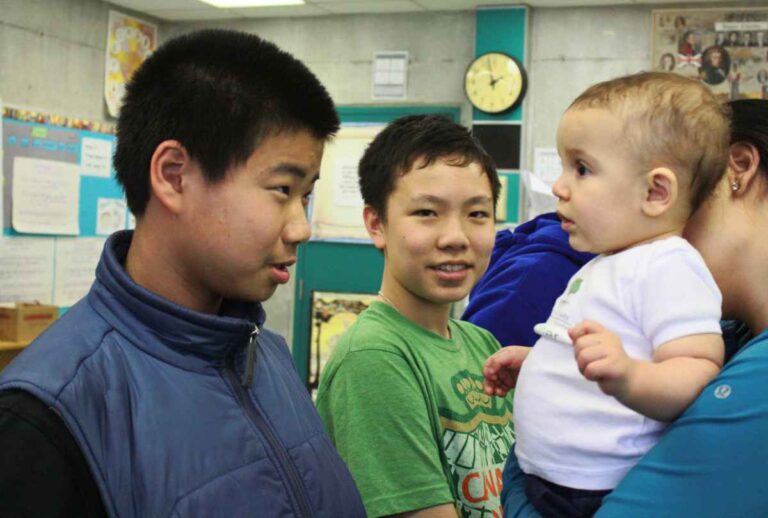
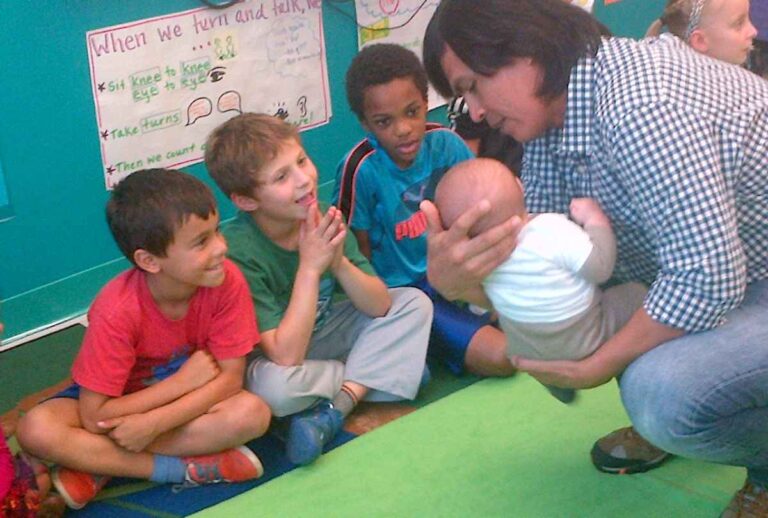
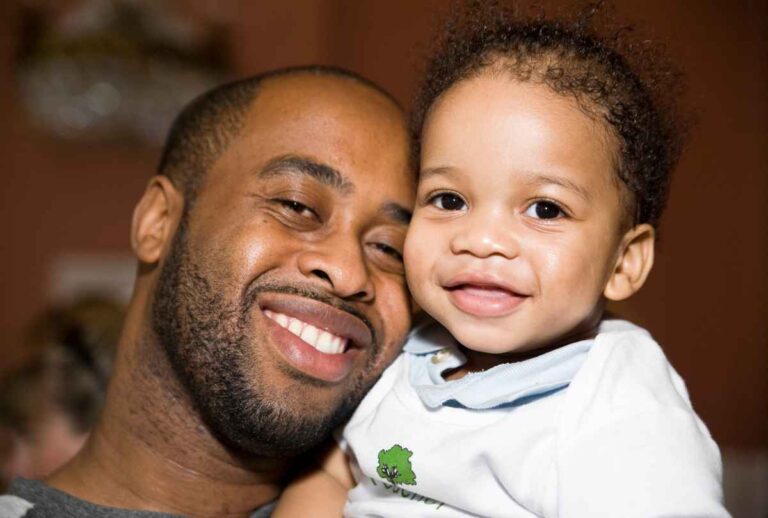
BEHIND THE GREEN BLANKET
Voices from the Program
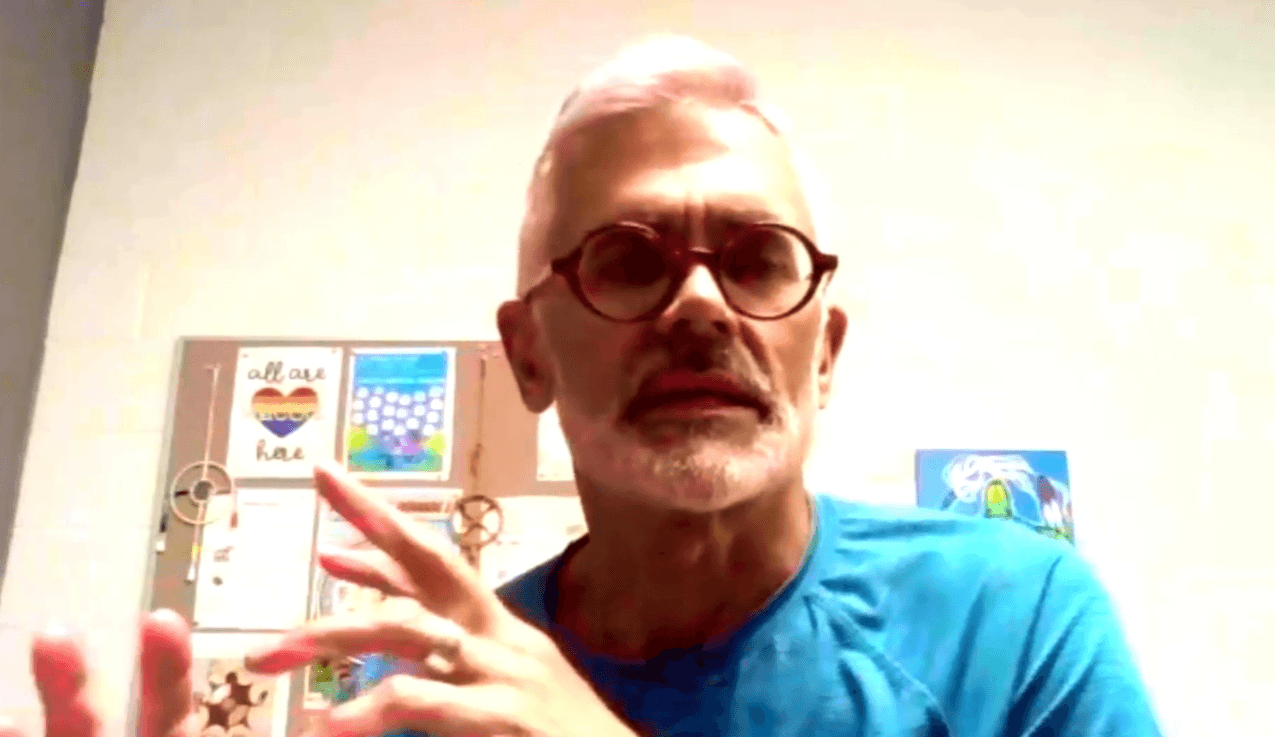
Why is it important for children to see fathers demonstrating care, empathy, and attunement?
Byron—a father, grandfather, school counsellor, and Roots of Empathy Instructor—shares why.
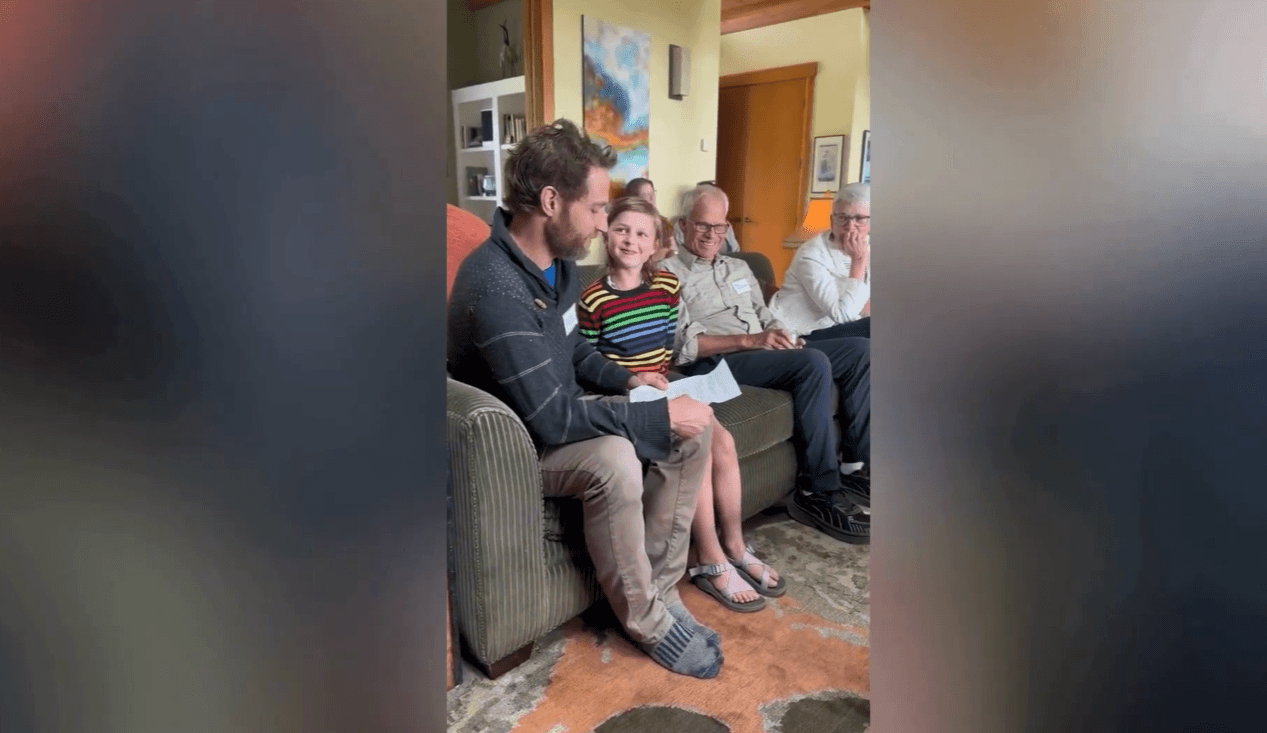
What impact did the program have on your own child?
Jesse, a father of a Roots of Empathy student from the United States, talks about the impact of the program.
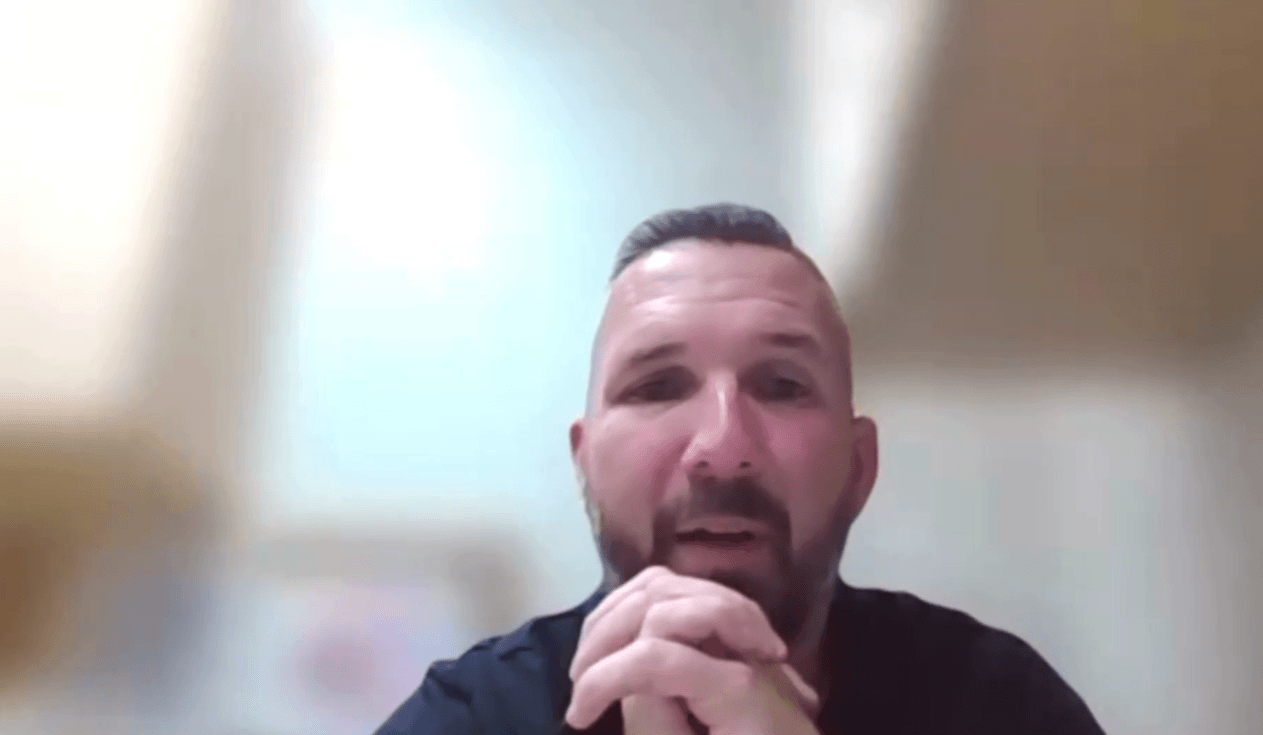
What would you say to other fathers considering volunteering with Roots of Empathy?
Danny—a father, former volunteer parent, school counsellor, and Roots of Empathy Instructor—encourages you to look into getting involved

What surprised you most about the students’ reactions to your baby?
Mitchell, a Roots of Empathy volunteer father, reflects on his experience with his Tiny Teacher.

What Boys Learn When Men Lead with Empathy
Instructor Mike shares his perspective — and one classroom moment that stayed with him.
Join the Roots of Empathy Community
Stay up to date on the Empathy Movement, Roots of Empathy programs, and Mary Gordon’s upcoming events